Revive Your Bath: Expert Tips for Bath Enamel Repair
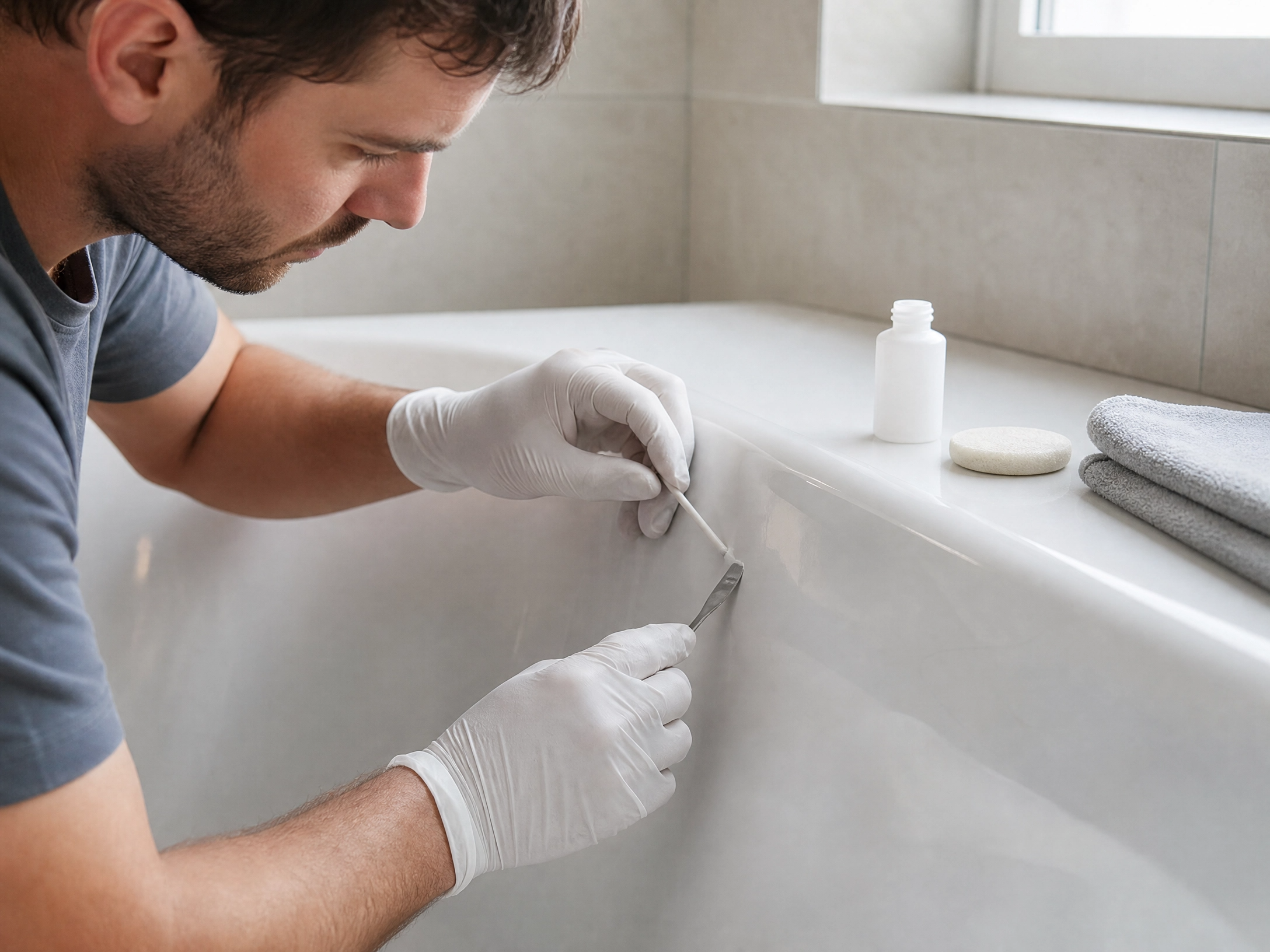
Understanding Bath Enamel and Its Importance
Bath enamel is the smooth, glossy coating that covers the surface of your bath. On traditional cast iron and pressed steel baths, this is true vitreous (porcelain) enamel — powdered glass and minerals fused to the metal at very high temperatures to create a hard, durable, glass-like finish. Many modern British baths are made from acrylic instead, which has a different but similarly smooth, glossy surface. Whichever type you have, the coating does the same essential jobs, and the principles behind repairing and resurfacing a worn bath are much the same.
Firstly, it provides a barrier that protects the material underneath — whether that’s metal, which can rust, or the substrate of an acrylic bath — from water damage and general deterioration. Without this protective layer, a bath ages far more quickly, which can eventually lead to staining, corrosion and other problems.
Secondly, bath enamel matters for hygiene. The glossy surface is non-porous, meaning it doesn’t absorb water, soap or bath oils. That makes it much easier to clean and helps prevent the build-up of mould, mildew and bacteria. A damaged surface, by contrast, gives dirt and grime somewhere to cling, which is harder to keep clean.
Lastly, a well-maintained surface does wonders for the look of your bathroom. A smooth, shiny bath makes the whole room feel cleaner and more inviting, whereas a chipped or stained bath drags the space down no matter how well it’s decorated. Looking after your bath enamel is therefore about function, hygiene and appearance all at once.
Common Causes of Bath Enamel Damage
Physical impact is another common cause. Dropping heavy objects — shampoo bottles, a shower head, or a swinging metal plug knocking against the side — can chip or crack the surface. On a metal bath, a chip often shows up as a small black or dark spot where the enamel has come away and the metal beneath is exposed. Even small knocks add up over the years.
Hard water is a particularly British problem. Across much of the UK, limescale and mineral deposits build up around taps and along the waterline, leaving stubborn staining and a rough, chalky texture that’s difficult to shift. Combined with everyday wear, this is often what makes an older bath look tired long before it has any structural issues.
Finally, there’s age. However well you look after it, enamel gradually wears down. Older baths in particular may have a thinner or already-worn coating, so they show their age sooner. Knowing these causes helps you protect your bath and keep it looking its best for as long as possible.
Signs Your Bath Needs Enamel Repair
Knowing when your bath needs attention is key to keeping it functional and looking good. The most obvious sign is visible chips or cracks. These aren’t just unsightly — on a metal bath, water can seep into an exposed chip and start to rust, which spreads underneath the surrounding enamel and causes further damage if left alone.
Discolouration is another warning sign. Yellowing or dulling can indicate the surface is wearing thin, and it’s often accompanied by a rough texture that makes cleaning harder and less effective. On enamelled metal baths, discolouration can also point to rust developing beneath the surface.
Finally, if your bath has become noticeably harder to keep clean, that’s a strong hint the surface has deteriorated. A worn or damaged finish lets dirt and limescale take hold more easily, so you never quite get that satisfying, sparkling result. If you spot any of these signs, it’s worth acting sooner rather than later to prevent more extensive — and more expensive — damage. The Bath Works offer professional chip and damage repairs for exactly this kind of issue.
Preventative Measures to Protect Your Bath
Be mindful of what goes into the bath, too. Avoid dropping heavy items, and consider a bath mat for an extra layer of protection. If you have young children, encourage them to treat the bath gently. It’s also worth inspecting your bath now and then and dealing with small chips before they turn into bigger problems — a chip left exposed on a metal bath can quietly rust underneath and undermine the surrounding surface.
If you live in a hard-water area, tackle limescale regularly with a gentle descaler rather than letting deposits build up and become difficult to remove. A little routine care goes a long way towards keeping your bath’s finish smooth and bright for years.
Frequently Asked Questions About Bath Enamel Repair
- How long does a bath enamel repair last? It depends on the quality of the work and how well you look after the bath afterwards. A professional resurface, properly cared for, can last many years — often a decade or more with the better modern coatings — whereas a DIY repair on a small chip may need redoing sooner.
- Can I use my bath immediately after a repair? No — the repair needs to cure first. DIY kits generally need around 24 to 48 hours before the bath is used, depending on the product. After a professional resurface, you can usually use the bath again the next day. Always follow the specific guidance you’re given, as using it too soon can ruin the finish.
- Is it possible to change the colour of my bath during a repair? Yes. A professional can colour-match to your existing suite, restore an original colour such as avocado, or change the bath to white — one of the most popular requests. If you’re thinking about a colour change, take a look at coloured bath restoration options.
- Are there any risks with DIY bath enamel repair? There can be. A poor application may not last, the wrong materials can cause further damage, and an uneven or overly thick DIY coating often has to be stripped back before a professional can put it right. Sticking to small chips, using a good-quality kit and following the instructions carefully keeps the risk low.
- How can I prevent future damage to my bath enamel? Use non-abrasive cleaners, avoid harsh chemicals and scourers, be careful about what you drop in the bath, and keep on top of limescale if you’re in a hard-water area. Inspect the surface from time to time and deal with minor chips promptly before they spread.
Conclusion: Restoring Your Bath's Shine and Longevity
Reviving your bath enamel might seem like a big job, but with the right knowledge it’s entirely achievable. Understanding why enamel matters and what causes damage helps you take sensible preventative steps, while recognising the signs that your bath needs attention — and weighing up DIY against professional repair — points you towards the right decision for your situation.
For a small chip, a good kit and a careful hand can do the trick. For anything more — deep chips, cracks, rust, heavy staining or a bath that’s simply lost its shine — professional resurfacing gives a far more durable, better-looking result and can add years to the life of a bath you’d otherwise be tempted to replace.
If your bath has seen better days, restoring it is almost always cheaper, cleaner and less disruptive than a full replacement. The Bath Works specialise in bath renovation, resurfacing and repair across Glasgow, Edinburgh and the central belt of Scotland, working on acrylic, plastic, porcelain and metal baths alike. To find out what’s possible with your bath, get in touch for a quote.
Get A Quote
Get In Touch Today For A Quote
07498 215362
bathworksrenovation.co.uk